
* This article was last updated on 5/29/26
Our original Hormone Replacement Therapy article, “Menopause Symptom Solutions: Lifestyle & HRT – Which Options Are Best for You and Your Clients?” explored the evolving science and controversy surrounding menopause management, especially the relationship between foundational lifestyle habits and Hormone Replacement Therapy (HRT).
One of the biggest takeaways from that article was this: HRT is one option for managing menopausal symptoms — but it is not the only option, nor is it the right choice for every woman.
This second article – Part 2 – goes deeper into helping you understand the many forms, formulations, and delivery methods of HRT currently available.
The goal is not to replace your doctor, but to help you enter your medical consultation with a stronger understanding of the big picture so you can ask better questions and make a more informed decision about whether HRT may be appropriate for you (or your client).
Emerging naturally from the questions raised in our first HRT article, this follow-up discussion is designed to help prepare you for a more thoughtful and individualized conversation with your healthcare provider.
Bioidentical & Compounded hormones
HRT (Hormone Replacement Therapy) typically provides estrogen and progesterone to replace the hormones that naturally decline during perimenopause and menopause. [1]
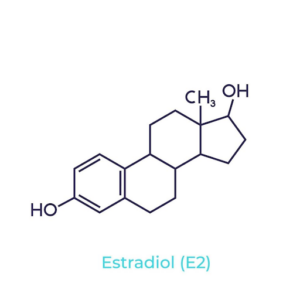
Estrogen is a Family of Hormones
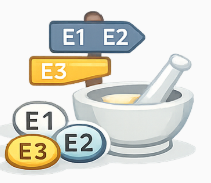
“Estrogen” is actually a broad term referring to several related hormones, mainly[2]:
- Estradiol (E2) – .the most potent estrogen and the dominant form during the reproductive years
- Estrone (E1) – becomes the dominant estrogen after menopause.
- Estriol (E3) – the primary estrogen during pregnancy.
Using the broad term “estrogen” is similar to using the word “tree,” while estradiol is a more specific type — like saying “oak tree.”
Types of Estrogen Therapy
Available estrogen therapies include[3]:
- Ethinyl estradiol (EE) – a synthetic estrogen commonly used in birth control.
- Conjugated equine estrogen (CEE) – a mixture of estrogens derived from the urine of pregnant mares. This was the estrogen used in the 2002 WHI study that reported increased risks for breast cancer, stroke and blood clots.
- Synthetic conjugated estrogens – laboratory-made compounds designed to mimic CEE.
- Micronized 17β-estradiol – a bioidentical estrogen chemically identical to the primary estrogen produced by human ovaries. “Micronized” means the particles are made very small to improve absorption, especially in oral formulations.

Bioidentical is not the same as Compounded
FDA-approved bioidentical hormones undergo standardized manufacturing, dosing verification, pharmacokinetic testing, and safety labeling.
Compounded HRT (custom-mixed hormone therapy prepared by a compounding pharmacy) may allow more customization, but they generally have:
- less regulatory oversight
- greater variability in dosing and purity
- less robust safety and efficacy evidence
Importantly:
“Bioidentical” is not the same thing as “compounded.”
The primary FDA-approved bioidentical hormones are:
- 17β-estradiol
- Micronized progesterone
Compounded often uses many of the same hormones found in FDA-approved products, but combines or customizes them into individualized doses, forms, or mixtures.
Common Compounded ingredients include:
- Estradiol (E2) — the primary and most potent human estrogen during reproductive years
- Estriol (E3) — a weaker estrogen often marketed as “gentler”
- Estrone (E1) — less commonly used
- Progesterone — usually micronized progesterone
- Testosterone — sometimes prescribed for libido, energy, or sexual-function concerns
- DHEA — occasionally added for vaginal or androgen-related symptoms
- Pregnenolone — a foundational steroid precursor used occasionally in broad-spectrum hormonal compounds.
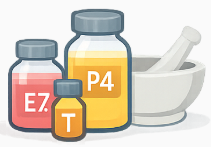
Common compounded combinations:
- Bi-est → compounded mixture of two estrogens: estradiol (E2) + estriol (E3), often in ratios such as 80/20 or 50/50.
- Tri-est → compounded mixture of three estrogens: estradiol (E2) + estriol (E3) + estrone (E1), often emphasizing the weaker estrogen estriol.
Progesterone and Endometrial Protection
In women who still have a uterus, progesterone is added to reduce the risk of endometrial hyperplasia and endometrial cancer that can occur with unopposed estrogen exposure.
Mixtures may or may not be bioidentical. Standard HRT regimens often combine 17β-estradiol (E2; bioidentical estrogen) or conjugated equine estrogens (CEEs; not bioidentical) with micronized progesterone (P4; bioidentical) or synthetic progestins (not bioidentical).[5]
Micronized progesterone is commonly used orally and has demonstrated reliable endometrial protection in mainstream HRT protocols.[6]
Routes of Administration
HRT can be administered:
- Orally
- Vaginally
- Transdermally (patches/gels/sprays).
Each route has unique benefits, absorption patterns, and risk profiles.[7]
“Bioidentical” refers to molecular structure only — not necessarily delivery method, dosing precision, safety, or clinical outcome.

Benefits & Risks of Estrogen Delivery[8] |
||
| How Estrogen is Delivered | Benefits | Risks |
| Oral
(Pills, tablets, lozenges) |
|
|
| Transdermal
(through the skin) |
|
|
| Vaginal – local
(low dose local vaginal estrogen, which can be a cream, tablet, insert/suppository or low-dose “local vaginal ring”). The defining feature is not the form, but the low systemic absorption. Examples:
|
Low dose local vaginal application is primarily intended for GSM (genitourinary syndrome of menopause), vaginal dryness, painful intercourse, urinary symptoms and vulvovaginal tissue changes, not for systemic menopausal symptoms like hot flashes, night sweats, sleep disturbance, mood symptoms and bone loss.
|
|
| Vaginal – systemic
(higher-dose “systemic vaginal ring.”) Example: Femring – A vaginal ring that delivers enough estrogen into the bloodstream to function like systemic HRT |
Primarily intended for reducing hot flashes and other systemic symptoms.
|
|
The chart above is primarily an estrogen-route chart. In summary:
- Oral: Convenient and reliably absorbed, but associated with first-pass liver metabolism, higher VTE (blood clot) risk, increased gallstone risk, and potential triglyceride increases.
- Transdermal: Provides systemic estrogen without first-pass liver metabolism; associated with a lower VTE signal than oral estrogen and generally neutral triglyceride effects, though it still requires full systemic HRT risk assessment.
- Vaginal local: Low-dose, primarily local therapy for GSM (Genitourinary Syndrome of Menopause) and dyspareunia (painful intercourse); minimal systemic absorption and lower systemic-risk exposure, but not intended to treat hot flashes, sleep disturbance, or bone loss.
- Vaginal systemic ring: Vaginal delivery of systemic estrogen used for hot flashes and other whole-body menopausal symptoms; likely more similar to transdermal than oral estrogen regarding liver-mediated clotting effects, but still considered systemic HRT.

Why progesterone is added to HRT[9] |
||
| Uterus present | Progesterone is usually added to estrogen therapy to reduce the risk of endometrial hyperplasia and endometrial cancer caused by unopposed estrogen exposure. | |
| Prior hysterectomy
(Uterus is not present) |
Estrogen alone may often be used because endometrial protection is no longer required. | |
| Micronized progesterone | Micronized progesterone appears to have a more favorable safety profile than some synthetic progestins.[10] | |
What about transdermal estrogen?
Transdermal estradiol bypasses first-pass liver metabolism, which is one reason it appears to have less impact on clotting factors, triglycerides, and some inflammatory markers than oral estrogen. Because of this, many clinicians prefer transdermal estrogen for women with higher clotting, cardiovascular, or metabolic concerns.

In the 2022 Hodis & Mack study.[11] Which formulation decreased mortality and CVD?
The Hodis & Mack research looked at several prior studies in order to determine whether timing of HRT implementation was important. Hodis & Mack did not argue that one single formulation universally “wins.”
Rather, it argues that timing of initiation (younger women, closer to menopause) is the dominant factor. Several concluding remarks show this to be the case:
- Start in 50s & continue for 5-30 years: “When initiated in women in their 50s and continued for 5–30 years, HRT reduces all-cause mortality and cost-effectively increases quality adjusted life-years.”
- The determining factor in many studies indicate that problems with HRT are due to what timeframe HRT is initiated: “In conclusion, a large body of randomized trial data converge with results from observational studies, animal studies and basic science supporting that HRT health outcomes vary by time-since-menopause.”
- Best results are when HRT begins nearest to when menopause begins. HRT is also OK long-term: “Data not only provide strong consistent evidence for beneficial effects of menopausal HRT when initiated close in proximity to menopause but also reassurance of long-term safety. It is time to recognize that HRT reduces all-cause mortality and CVD, and that it is all about timing.”
The Hodis & Mack paper does identify several formulations that were associated with reductions in mortality and cardiovascular disease outcomes within major HRT studies.
2022 Hodis & Mack Formulations[12] |
||
| Trial | HRT Formulation | Disease Outcome |
| Elite Trial
(2016) |
Oral estradiol (E2) with or without vaginal progesterone | “HRT initiated in women close in proximity to menopause reduced progression of subclinical atherosclerosis relative to placebo.” |
| WHI
(2002/2004) |
|
Later pooled analyses showed that women who initiated HRT at younger ages and/or closer to menopause had lower all-cause mortality and more favorable cardiovascular outcomes than older initiators. |
| DOPS
(2012) |
Estradiol (E2) with or without NE (synthetic progestogen) | “CVD was reduced by 52%…after 10 years of randomized HRT compared with no HRT and reduced by 39%… after 16 years follow up.” |
The chart above suggests that although the HRT formulations were not all bioidentical, the timing of initiation appeared to influence cardiovascular and mortality outcomes more strongly than formulation alone.
What really matters about formulations?
There are many important variables in HRT, including:
- oral vs transdermal vs vaginal delivery
- estradiol vs conjugated equine estrogens
- micronized progesterone vs synthetic progestins
- cyclic vs continuous progesterone exposure
- systemic vs local therapy
- dose
- treatment goal
In other words, the same “HRT” label can represent very different biological exposures and risk profiles.
Is it possible to simplify my HRT choices?
HRT outcomes are not determined by one single factor. Risks and benefits appear to depend on the interaction between: formulation, delivery method, timing of initiation, dose, progesterone type, and the woman’s baseline health status.

The following chart simplifies these variables and highlights the options that often appear more favorable based on current evidence.
HRT Simplification Chart |
|||
| Variable | Lower-Risk / More Favorable Pattern | Higher-Risk / Less Favorable Pattern | Main Diseases / Outcomes Most Discussed |
| Delivery Route | Transdermal estrogen (patch, gel, spray) | Oral estrogen | Oral estrogen is associated with higher clotting/VTE and stroke risk, partly due to first-pass liver metabolism. Transdermal generally shows lower VTE impact. |
| Low-dose local vaginal estrogen | Systemic vaginal estrogen | Local vaginal therapy is primarily for GSM/dyspareunia and has minimal systemic absorption. Systemic therapy affects whole-body tissues. | |
| Type of Estrogen | Estradiol (E2) (bioidentical) | CEE (conjugated equine estrogens) | Estradiol is chemically identical to human estrogen. The WHI showed that CEE-based HRT was neither completely dangerous nor completely protective — outcomes depended heavily on timing, formulation, and whether a progestin was included. |
| Type of Progesterone | Micronized progesterone (bioidentical) | Synthetic progestins (MPA, norethisterone, etc.) | Synthetic progesterone-like hormones (“progestins”) appear to show higher breast-cancer and blood-clot risk in some studies than bioidentical micronized progesterone. |
| Estrogen Alone vs Combined Therapy | Estrogen alone (only if uterus absent) | Estrogen + progestin | In WHI, women without a uterus could use estrogen alone, and this group showed lower breast-cancer incidence than women using combined estrogen + synthetic progestin therapy. |
| Timing of Initiation | Started <60 years old and/or within ~10 years of menopause | Started >60 years old and/or >10 years after menopause | Earlier initiation generally showed more favorable cardiovascular and mortality outcomes, while later initiation showed higher CHD, stroke, and dementia concerns. |
| Dose | Lowest effective dose | Higher-dose systemic exposure | Higher systemic exposure may increase clotting, stroke, breast stimulation, and gallbladder risk. |
| Treatment Goal | Local therapy for local symptoms | Systemic therapy when not needed | Vaginal/local therapy is often sufficient for GSM symptoms without exposing the entire body to systemic hormone levels. |
| Hormone Exposure Pattern | Cyclic therapy (sometimes preferred for tolerability) | Continuous combined therapy | Research remains mixed, but some studies have explored whether continuous combined exposure to estrogen and progestin may influence long-term breast-cell proliferation differently than cyclic exposure. |
| Overall Health Context | Good metabolic & cardiovascular health | Existing clotting/CVD/cancer risk | Baseline health strongly influences safety profile, tolerability, and risk-benefit ratio. |
HRT Super Simplification Chart |
|
| What We Know Fairly Well | What Is Still Less Certain |
| Transdermal estradiol appears to have lower VTE/clotting risk than oral estrogen. | Whether “bioidentical” automatically translates into safer long-term clinical outcomes. |
| Micronized progesterone (bioidentical) may have a more favorable safety profile than synthetic progestins. | Which exact combination of estrogen type, progesterone type, dose, and delivery method produces the safest long-term outcomes. |
| Estrogen outcomes appear to be influenced strongly by timing of initiation, dose, and route of delivery (oral vs transdermal vs vaginal). | The optimal duration of therapy for balancing symptom relief versus long-term disease risk. |
Adding Step 5: Which formulation best matches this individual?
In our previous article, we covered a practical HRT decision-making framework:
Step 1: Have foundational health habits already been applied?
Lifestyle interventions such as exercise, nutrition, sleep, and stress management may significantly improve symptoms without the need for HRT. Spending several months making meaningful lifestyle changes can be a valid first step.

Step 2: Are symptoms significant?
More severe symptoms may justify larger interventions.
Step 3: Is the timing favorable?
The most favorable timing generally appears to be: under age 60 and within 10 years of menopause onset.

Step 4: Individual risk assessment.
A personal history of cancer, CV disease, stroke, unexplained vaginal bleeding and clotting disorders may significantly influence whether HRT is appropriate.

And now we add Step 5:
Step 5: Which formulation best matches this individual?
Unfortunately, the term “HRT” represents very different biological exposures and risk profiles. Different hormones, doses, and delivery methods appear to produce different benefits and risks.
Key considerations include:
- Systemic therapy vs local therapy
- Oral vs transdermal vs vaginal delivery
- Estrogen alone vs estrogen + progesterone
- Bioidentical progesterone vs synthetic progestins
- Lowest effective dose needed for the treatment goal
In general:
- Transdermal estrogen may carry lower clotting risk than oral estrogen.
- Local vaginal estrogen is primarily used for vaginal and urinary symptoms, rather than systemic menopausal symptoms.
- Micronized progesterone may have a more favorable safety profile than synthetic progestins.
Can I use HRT for life?
Current guidelines generally recommend individualization with periodic reevaluation, not an automatic lifetime plan. Some women may continue long-term HRT if benefits outweigh risks, especially for persistent symptoms, but this should be reassessed over time. The idea of using the “lowest effective dose for the appropriate duration” is still common in mainstream guidance, although many clinicians are now less rigid than the older “shortest possible time” approach.
Do estrogen + progesterone increase cancer risk while estrogen alone decreases cancer risk?
The WHI trials found that combined estrogen (CEE) plus medroxyprogesterone acetate (MPA; a synthetic progestin) was associated with increased breast-cancer incidence, while estrogen-alone therapy in women without a uterus was associated with lower breast-cancer incidence during long-term follow-up.
Subsequent research has suggested that risk may vary depending on:
- The type of progesterone/progestin used
- Oral vs transdermal delivery
- Timing of initiation
- Dose
- Duration of therapy
- and whether the uterus is present
Some observational studies suggest micronized progesterone may have a more favorable breast-risk profile than synthetic progestins, although definitive long-term randomized evidence is still limited.
This does not mean:
- estrogen “prevents” cancer
- all progesterone increases cancer risk
- or all HRT formulations behave the same biologically.
What happens after stopping HRT? Do risks get worse, better or stay the same?
Most risks and benefits of HRT appear to gradually diminish after therapy is stopped, although the pattern varies depending on the disease and the specific hormone formulation used. Because many different formulations exist, research is not definitive in this area.
After stopping HRT:
- Vasomotor symptoms: Hot flashes and night sweats may return.[13]
- Bone loss may accelerate again.[14]
- Vaginal and urinary symptoms: Vaginal dryness, urinary symptoms and other GSM (Genitourinary Syndrome of Menopause) symptoms may worsen.[15]
- Breast cancer risk: When HRT is used for more than 5 years, “does not simply dissipate in the 5 years after treatment stops.”[16]
- Cardiovascular and stroke risk: Some studies observed a temporary increase in cardiovascular and stroke mortality during the first year after stopping HRT, followed by decline thereafter.[17]
- Clotting risk: Direct evidence on clotting risk after stopping menopausal HRT is limited, but available hormone research suggests that thrombosis risk likely normalizes within a few months after discontinuation.[18]
Overall, most evidence suggests that HRT does not create permanent disease protection or permanent disease risk after therapy is discontinued. Outcomes appear to depend on:
- formulation
- Duration of use
- timing of initiation
- route of delivery
- and the individual woman’s baseline health status.
Is there a cultural or medical “pendulum swing” happening around HRT?
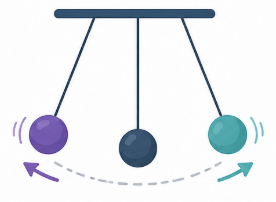
Yes — many clinicians, journalists, advocacy groups, and menopause organizations believe there has been a significant cultural and medical “pendulum swing” regarding HRT since the 2002 WHI publication.
After the WHI trial reported increased risks associated with certain hormone formulations, HRT prescriptions dropped dramatically worldwide. Many women and clinicians became fearful of hormone therapy, sometimes avoiding it even in lower-risk women with severe menopausal symptoms.
Over the past 15–20 years, several developments have contributed to a shift in attitude:
- Reanalysis of WHI data emphasizing timing of initiation (“timing hypothesis”)
- Increased use of transdermal estradiol and micronized progesterone
- Greater focus on quality of life and symptom relief
- Expanded menopause advocacy
- Social-media and celebrity discussions of menopause
- Expanded menopause education and certification programs
Organizations contributing to this modern shift include:
- The Menopause Society (formerly NAMS)
- “For women aged younger than 60 years or who are within 10 years of menopause onset and have no contraindications, the benefit-risk ratio is favorable for treatment of bothersome vasomotor symptoms and prevention of bone loss.”[19]
- American College of Obstetricians and Gynecologists (ACOG)
- “ACOG commends the HHS leadership for improving the lives of perimenopausal women by making the estrogen products they need more accessible to them.”[20]
- British Menopause Society
- “There is clear evidence available on the safest formulations of HRT in the 2020 British Menopause Society consensus statement on HRT, which favours transdermal oestrogen and micronised progesterone.”[21]
However, whether this represents a scientifically appropriate correction or an overcorrection remains debated.
Some researchers and former WHI investigators have cautioned that modern enthusiasm for HRT may underemphasize legitimate risks:
- breast cancer,
- stroke,
- clotting,
- and long-term systemic use.
This debate became more visible after the 2025 FDA/HHS review of hormone-therapy warning labels and the 2026 JAMA commentary from former WHI safety-monitoring leaders cautioning against weakening public risk communication.
At present, the field appears to be moving toward a more individualized middle ground:
- not “HRT for everyone,”
- but also not the broad risk-avoidance culture that followed the original WHI publication.
What are the microbiome effects of HRT?
Estrogen interacts with the gut microbiome through the “estrobolome,”[22] influencing estrogen metabolism and enterohepatic circulation.
Estrobolome – a specialized subset of bacteria within the gut microbiome that produces enzymes, primarily 𝜷-glucuronidase, capable of metabolizing and regulate estrogen levels in the body.
HRT may influence microbial composition, and gut microbial activity may influence estrogen metabolism and recirculation. For pregnancy/postpartum and menopause, the microbiome appears hormonally sensitive, but clinical protocols are not yet mature enough to make strong HRT decisions from microbiome testing alone.
2025. Larnder et al.[23] International Journal of Cancer.
Current evidence suggests the gut microbiome — particularly the estrogen-regulating “estrobolome” — may influence breast-cancer risk, but the specific mechanisms and microbial targets remain unclear and require more advanced research to confirm.
- “Disruptions in estrogen regulation by the estrobolome – gut microbiota with estrogen‐related functions – may promote breast cancer. ”
- “Overall, our understanding of the estrobolome’s role in breast cancer remains unclear.”
2025. Xiong et al.[24] Frontiers in Medicine.
31 postmenopausal women. Menopausal Hormone Replacement Therapy (MHT).
- “Estrogen facilitates gut injury repair. Impairment of this function in low-estrogen states, such as postmenopause, may compromise intestinal barrier integrity, resulting in increased gut permeability.”
- “The findings of the study demonstrated that MHT has the potential to prevent osteoporosis through the alteration of the gut microbial composition in postmenopausal women…”
2026. Saravinovska et al.[25] Frontiers in Endocrinology. REVIEW on estrogen (contraception), not directly on HRT
7 studies. 1222 post-menopausal women. 463 comparison group with natural estrogen levels. GM = gut microbiome.
- “Current evidence does not support consistent differences in GM diversity or major bacterial phyla between [post-menopausal and the comparison group]…High-quality, well-controlled studies are needed to better define the relationship between estrogen status and the GM.”
Are there medicines besides hormones for treating menopausal symptoms?
While HRT remains the most comprehensive treatment for multiple menopause symptoms, Fezolinetant (brand name Veozah) is primarily intended for women who cannot or prefer not to use hormone therapy. It is a first-of-its-kind, non-hormonal prescription medication approved to treat moderate-to-severe hot flashes and night sweats (vasomotor symptoms, VMS).
Fezolinetant works by targeting KNDy neuron signaling in the hypothalamus — a brain temperature-regulation pathway that appears to become overactive as estrogen declines during menopause. Specifically, it blocks neurokinin B (NKB) signaling at NK3 receptors, helping stabilize the brain’s “thermostat” without replacing hormones.
Unlike HRT, Fezolinetant does not provide estrogen’s broader systemic effects on bone density, vaginal tissue or metabolism. Liver monitoring also remains an important safety consideration.
How HRT & Fezolinetant are related:
- Target Symptoms: Both primarily treat moderate-to-severe vasomotor symptoms (VMS), such as hot flashes and night sweats.
- Effectiveness for VMS: Clinical data suggests Fezolinetant 45mg is comparable to many HRT regimens in reducing the frequency and severity of hot flashes.[26]
- Menopause Management: Both are daily treatments aimed at improving the quality of life for postmenopausal women.
- Side Effects: Unlike hormone replacement therapy (HRT), which frequently causes estrogen-driven side effects like breast tenderness, bloating, and vaginal bleeding alongside increased risks for blood clots and stroke, fezolinetant is a non-hormone option that primarily causes gastrointestinal issues and carries a specific risk of liver enzyme elevation.
HRT & Fezolinetant key differences |
||
| Feature | Hormone Replacement Therapy (HRT) | Fezolinetant (Veozah) |
| Mechanism | Replaces estrogen the body no longer produces to stabilize the “thermostat”. | Blocks neurokinin B signaling in the brain to directly regulate temperature. |
| Hormonal Content | Contains estrogen, often with progesterone. | Non-hormonal; no estrogenic effects elsewhere in the body. |
| Symptom Coverage | Treats hot flashes, vaginal dryness, bone loss, and mood changes. | Specifically for hot flashes and night sweats; does not treat other symptoms. |
| Long-Term Benefits | Provides bone protection. | No documented protection for bone or heart health. |
| Risk Factors | Linked to risks of blood clots, stroke, and certain hormone-sensitive cancers. | Primary concern is potential liver injury, requiring periodic blood tests. |
| Speed of Relief | Varies, often takes weeks to find the right dose. | Can provide significant relief within 2 to 4 weeks. |
Is acupuncture effective for menopausal symptoms?
Current evidence suggests acupuncture may modestly improve menopausal symptoms — particularly hot flashes and sleep quality — but the evidence is mixed, and some controlled trials have found benefits similar to sham acupuncture.
Sham acupuncture is a “fake” acupuncture treatment used in research as a placebo comparison.
Examples include:
- needles placed in the “wrong” locations,
- needles that do not fully penetrate the skin,
- or simulated acupuncture that feels real to the participant.
2018. Befus et al.[27] Journal of Integrative and Complementary Medicine. REVIEW
Reviewed 3 other systematic reviews and 4 new RCTs.
- Research suggests acupuncture may help reduce hot flashes and improve quality of life in menopausal women, although some of the benefit may come from placebo effects, relaxation, or the treatment experience itself rather than the acupuncture needles specifically.
2025. He, et al.[28] Frontiers in Psychiatry. REVIEW
- Conclusion: “Acupuncture serves as an effective and safe non-pharmacological intervention for alleviating menopausal depressive symptoms and improving quality of life. While acupuncture did not significantly modulate sex hormone levels, its therapeutic benefits are likely mediated through non-hormonal mechanisms, such as neurotransmitter regulation and neuroendocrine network modulation.”
Is soy really beneficial during menopause?
Soy contains natural plant compounds called isoflavones (phytoestrogens), which can weakly bind to estrogen receptors in the body.

Because estrogen levels decline during menopause, eating these compounds may produce mild estrogen-like effects that may help some women with:
- hot flashes,
- bone health,
- cardiovascular markers,
- and possibly metabolic health.
However, soy is much weaker than human estrogen or HRT, so its effects are typically modest rather than dramatic.
Interestingly, soy may behave differently in different tissues:
- in some tissues it may mildly stimulate estrogen receptors,
- while in others it may partially oppose stronger estrogen effects.
The gut microbiome may also matter. Some people can convert soy compounds into a metabolite called equol, which may increase the estrogen-like biological activity of soy isoflavones. Not everyone has the gut bacteria needed to produce equol.
Overall:
- Whole soy foods appear generally safe and potentially beneficial for many menopausal women,
- especially as part of a whole-food diet,
- but soy is not equivalent to full-dose hormone therapy.
2021. Chen & Chen.[29] International Journal of Molecular Science.
- “Isoflavones appear to reduce hot flush and other VMS even after accounting for a placebo effect.”
2025. Luan et al.[30] PeerJ. REVIEW
- “Soy isoflavones may have some potential benefits in relieving certain menopausal symptoms, particularly depressive symptoms.”
Does chasteberry help with menopausal symptoms?

2026. Aly et al.[31] Future Journal of Pharmaceutical Sciences. REVIEW
Research on Vitex agnus-castus (chasteberry) for menopause is limited but somewhat promising. Small early studies reported improvements in menopausal symptoms including hot flashes, night sweats, mood, sleep, and menstrual irregularities using essential oils administered orally, topically, or by inhalation. In one study, about one-third of women reported significant improvement, while another third reported moderate improvement. However, a larger 16-week randomized placebo-controlled trial combining chasteberry with St. John’s Wort found the treatment to be safe and tolerable but not significantly more effective than placebo for overall menopausal symptoms. Overall, evidence suggests possible mild benefit, but stronger research is still needed.
Does yam help with menopausal symptoms?
Wild yam is commonly marketed as a “natural progesterone,” but the human body cannot convert wild yam into progesterone on its own.
Laboratories can chemically convert yam-derived diosgenin into hormones, but eating or applying wild yam products does not automatically raise progesterone levels in humans.

2019. Johnson, et al.[32] Journal of Evidence-Based Integrative Medicine.
- Wild yam has traditionally been used for menopausal symptoms, but scientific evidence remains limited and inconsistent. One placebo-controlled study found that wild yam cream did not improve menopausal symptoms or hormone levels compared with placebo, while another randomized trial using purple yam extract reported significant improvements in menopausal symptoms — especially psychological symptoms — compared with placebo. Overall, current evidence is mixed, and more long-term research is needed before wild yam can be considered a reliable menopause treatment.
Conclusion
Overall, menopause management appears far more nuanced than the original “HRT is dangerous” headlines — or the newer “HRT is the solution for everyone” messaging. Current evidence suggests that outcomes depend heavily on timing of initiation, hormone formulation, delivery method, dose, duration, and the individual woman’s baseline health status. Lifestyle foundations such as exercise, nutrition, sleep, stress management, and metabolic health remain critically important whether HRT is used or not. For appropriately screened women with significant symptoms — particularly those near the onset of menopause — carefully individualized hormone therapy may provide meaningful improvements in quality of life and, in some cases, broader physiological benefits. The goal is not fear, nor blind enthusiasm, but thoughtful individualized decision-making grounded in evolving science.

If you love fun & research-based guidance as a fitness professional, or during your own pregnancy & postpartum, please check out these Fit For Birth offerings:
- For Fitness & Wellness Professionals:
- FREE 2-hour CEC
- CEC/CEU Courses, including our Pre & Postnatal Corrective Exercise Specialist (PPCES), the world’s first holistic perinatal CEC/CEU!
- Monthly Elite Membership – Community. Monthly education. Business mentorship & work opportunities. $27/month.
- For Pregnancy, Pre-conception & Postpartum:
- For Longevity:
James Goodlatte is a Father, Holistic Health Coach, Corrective Exercise Practitioner, Speaker, Author, Educator, and the founder of Fit For Birth and Exercise For Longevity. Since 2008, when he found out he would be a father, his passion for holistic wellness shifted to children and families. Today, he is a driving force in providing Continuing Education Credits for the pre and postnatal world, with Fit For Birth professionals in 64 countries. James is a member of the First 1000 Days Initiative at the Global Wellness Institute, and professional longevity researcher & educator.
REFERENCES
[1] 2024. Harper-Harrision et al. Hormone Replacement Therapy. StatPearls [Internet]. Retrieved 5/11/26 from https://www.ncbi.nlm.nih.gov/books/NBK493191/
[2] 2025. Gibbs, Vanessa. Estradiol vs Estrogen: Differences & Health Impacts. Hers. Retrieved 5/11/26 from https://www.forhers.com/blog/estradiol-vs-estrogen
[3] 2024. Harper-Harrision et al. Hormone Replacement Therapy. StatPearls [Internet]. Retrieved 5/11/26 from https://www.ncbi.nlm.nih.gov/books/NBK493191/
[4] 2024. Harper-Harrision et al. Hormone Replacement Therapy. StatPearls [Internet]. Retrieved 5/11/26 from https://www.ncbi.nlm.nih.gov/books/NBK493191/
[5] 2024. Foschi et al. Journal of Clinical Medicine. Estradiol and Micronized Progesterone: A Narrative Review About Their Use as Hormone Replacement Therapy. Retrieved 5/12/26 from https://pmc.ncbi.nlm.nih.gov/articles/PMC12565450/
[6] 2018. Newson & Lass. British Journal of General Practice. Effectiveness of transdermal oestradiol and natural micronised progesterone for menopausal symptoms. Retrieved 5/12/26 from https://pmc.ncbi.nlm.nih.gov/articles/PMC6146001/ [“Oral natural progesterone, taken cyclically and continuously, provides endometrial protection comparable with that given by other progestogens.”]
[7] 2024. Harper-Harrision et al. Hormone Replacement Therapy. StatPearls [Internet]. Retrieved 5/11/26 from https://www.ncbi.nlm.nih.gov/books/NBK493191/
[8] 2024. Harper-Harrision et al. Hormone Replacement Therapy. StatPearls [Internet]. Retrieved 5/11/26 from https://www.ncbi.nlm.nih.gov/books/NBK493191/
[9] 2024. Harper-Harrision et al. Hormone Replacement Therapy. StatPearls [Internet]. Retrieved 5/11/26 from https://www.ncbi.nlm.nih.gov/books/NBK493191/
[10] 2021. Hipolito Rodrigues, M. A., & Gompel, A. (2021). Micronized progesterone, progestins, and menopause hormone therapy. Women & Health, 61(1), 3–14. https://doi.org/10.1080/03630242.2020.1824956 [“Some studies indicate that micronized progesterone (P) is safer than synthetic PGs with an acceptable metabolic profile.”]
[11] 2022. Hodis & Mack. Cancer Journal. Menopausal Hormone Replacement Therapy. Retrieved 5/12/26 from https://pmc.ncbi.nlm.nih.gov/articles/PMC9178928/
[12] 2022. Hodis & Mack. Cancer Journal. Menopausal Hormone Replacement Therapy. Retrieved 5/12/26 from https://pmc.ncbi.nlm.nih.gov/articles/PMC9178928/
[13] 2023. Cho et al. Circulation. Rethinking Menopausal Hormone Therapy: For Whom, What, When, and How Long? Retrieved 5/12/26 from https://www.ahajournals.org/doi/10.1161/CIRCULATIONAHA.122.061559
[14] 2023. Cho et al. Circulation. Rethinking Menopausal Hormone Therapy: For Whom, What, When, and How Long? Retrieved 5/12/26 from https://www.ahajournals.org/doi/10.1161/CIRCULATIONAHA.122.061559
[15] 2023. Cho et al. Circulation. Rethinking Menopausal Hormone Therapy: For Whom, What, When, and How Long? Retrieved 5/12/26 from https://www.ahajournals.org/doi/10.1161/CIRCULATIONAHA.122.061559
[16] 2018. Fournier et al. Breast Cancer Research and Treatment. Risk of breast cancer after stopping menopausal hormone therapy in the E3N cohort. Retrieved 5/12/26 from https://pmc.ncbi.nlm.nih.gov/articles/PMC5924370/
[17] 2015. Mikkola et al. Journal of Clinical Endocrinology & Metabolism. Increased Cardiovascular Mortality Risk in Women Discontinuing Postmenopausal Hormone Therapy. Retrieved 5/12/26 from https://academic.oup.com/jcem/article-abstract/100/12/4588/2536376?redirectedFrom=fulltext
[18] 2022. LaVasseur et al. Research and Practice in Thrombosis and Haemostasis. Hormonal therapies and venous thrombosis: Considerations for prevention and management. Retrieved 5/12/26 from https://pmc.ncbi.nlm.nih.gov/articles/PMC9399360/
[19] “The 2022 Hormone Therapy Position Statement of The North American Menopause Society” Advisory Panel. The 2022 hormone therapy position statement of The North American Menopause Society. Menopause. 2022 Jul 1;29(7):767-794. doi: 10.1097/GME.0000000000002028. PMID: 35797481. https://pubmed.ncbi.nlm.nih.gov/35797481/
[20] 2025, Nov. 10. ACOG News Release. Retrieved 3/16/26 from https://www.acog.org/news/news-releases/2025/11/acog-president-says-label-change-on-estrogen-will-increase-access-to-hormone-therapy
[21] Guardian. Retrieved 5/12/26 from https://www.theguardian.com/society/2024/nov/07/hrt-should-be-offered-as-first-line-treatment-for-menopause-says-nice
[22] 2025. Larnder et al. The estrobolome: Estrogen‐metabolizing pathways of the gut microbiome and their relation to breast cancer. International Journal of Cancer. Retrieved 5/12/26 from https://pmc.ncbi.nlm.nih.gov/articles/PMC12178105/
[23] 2025. Larnder et al. The estrobolome: Estrogen‐metabolizing pathways of the gut microbiome and their relation to breast cancer. International Journal of Cancer. Retrieved 5/12/26 from https://pmc.ncbi.nlm.nih.gov/articles/PMC12178105/
[24] 2025. Xiong et al. Frontiers in Medicine. Effects of menopausal hormone therapy on gut microbiota in postmenopausal women and the relationship with bone metabolism. Retrieved 5/12/26 from https://pmc.ncbi.nlm.nih.gov/articles/PMC12597987/
[25] 2026. Saravinovska et al. The impact of estrogen status on the gut microbiome: a systematic review and meta-analysis. Frontiers in Endocrinology. Retreived 5/12/26 from https://www.frontiersin.org/journals/endocrinology/articles/10.3389/fendo.2026.1780806/full
[26] 2024. Abo Elnaga et al. European Journal of Obstetrics & Gynecology and Reproductive Biology. Effectiveness and safety of fezolinetant in alleviating vasomotor symptoms linked to Menopause.: A systematic review and Meta-Analysis. Retrieved 5/12/26 from https://www.sciencedirect.com/science/article/abs/pii/S0301211524001921
[27] 2018. Befus et al. Journal of Integrative and Complementary Medicine. Management of Menopause Symptoms with Acupuncture: An Umbrella Systematic Review and Meta-Analysis. Retrieved 5/12/26 from https://journals.sagepub.com/doi/abs/10.1089/acm.2016.0408
[28] 2025. He, et al. Frontiers in Psychiatry. Effect of acupuncture on menopausal depressive disorder and serum hormone levels: a systematic review and meta-analysis. Retrieved 5/12/26 from https://www.frontiersin.org/journals/psychiatry/articles/10.3389/fpsyt.2025.1591389
[29] 2021. Chen & Chen. International Journal of Molecular Science. Utilization of Isoflavones in Soybeans for Women with Menopausal Syndrome: An Overview. Retrieved 5/12/26 from https://www.mdpi.com/1422-0067/22/6/3212
[30] 2025. Luan et al. JeerJ. Effects of soy isoflavones on menopausal symptoms in perimenopausal women: a systematic review and meta-analysis. Retrieved 5/12/26 from https://peerj.com/articles/19715/
[31] 2026. Aly et al. Future Journal of Pharmaceutical Sciences. A comprehensive review on ethnobotany, phytochemistry, traditional and modern uses of chasteberry (Vitex agnus-castus L.). Retrieved 5/12/26 from https://link.springer.com/article/10.1186/s43094-025-00931-2
[32] 2019. Johnson, et al.# Journal of Evidence-Based Integrative Medicine. Complementary and Alternative Medicine for Menopause. Retrieved 5/12/26 from https://pmc.ncbi.nlm.nih.gov/articles/PMC6419242/